Area Code 707 Location Explained by the Overlay That Replaced It
What it did not settle is the habit of reading identity into a caller ID prefix.
By the Area 52 team
5 min read
The 707 area code location is California's North Coast and inland Solano and Napa territory, and the three digits tell you nothing reliable about the person on the other end of the line. The numbering question behind this code is settled. The trust question is not, and confusing the two is where phone scams and executive exposure start. Our position is blunt: treat a 707 caller ID as a routing label, never as a reference.
Reading a Number the Way a Dialer Does
A robocall platform does not pick your prefix by accident. It picks the one most likely to get answered: a number that looks local to the target's own exchange, or one lifted from a list that already holds the target's name, employer, and past addresses.
That is why the 707 prefix shows up in spam driven by spoofed caller IDs as reliably as it shows up in legitimate Humboldt County business calls. The dialer rotates prefixes the way it rotates scripts. The prefix is the wrapping, not the sender.
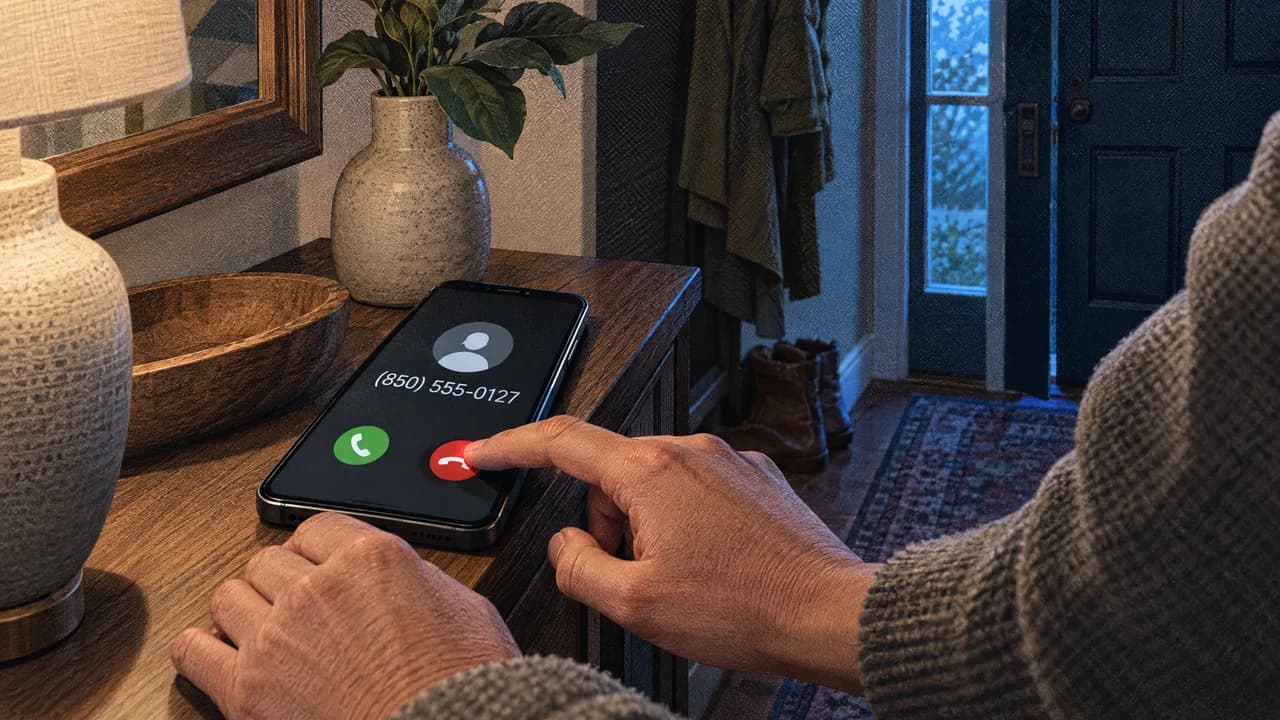
A spoofed number costs almost nothing to display and proves nothing when it appears. Anyone who tells you a 707 prefix means a North Coast caller is describing caller ID behavior, not geography.
What the Three Digits Name and What They Never Prove
An area code identifies the numbering plan region a telephone number was assigned to, not the physical location of the device placing a call. That gap between assignment and current use is the whole story.
The 707 area code was created in 1959 when it split off from the 415 area code, according to the California Public Utilities Commission. Numbers have since been ported across carriers, forwarded across states, and displayed on VoIP handsets anywhere with an internet connection. The region a number was born in has never been a guarantee of where it lives today.
This is the same failure pattern that makes why blocking a prefix fails worth reading once and never again relying on alone: the code's meaning is administrative, and the threat model is behavioral.
Here is the counted scale of the problem. In fiscal year 2024 the FTC received 1.1 million complaints about robocalls, down from more than 3.4 million in FY 2021. Total unwanted-call complaints kept falling. Yet complaints about calls on debt-reduction, the third largest topic, rose more than 85 percent from the prior year. Fewer calls, sharper targeting. A prefix that carries a name with it is worth more to a fraudster than a prefix dialed at random, and that is exactly the seam a data broker list supplies.
How to Test a Caller ID Before You Trust It
Judge the call by its behavior, not its digits. A short sequence works because each step forces the caller to prove something the spoofed prefix cannot.
- Hang up and call back the number through a channel you already hold: a published switchboard, a saved contact, a vendor portal. A legitimate caller reaches you that way. A spoofed number usually dead-ends or routes to a different person.
- Ask for a reference number and call the institution directly through the number on its own website. Never use the callback number in the voicemail.
- Keep your personal number out of the places that build the lists: broker profiles, loyalty forms, and public filings that publish it. Exposure checklists like the one in these disclosure pitfalls apply to phone numbers as much as to addresses.
- Log the call with the displayed number, time, and script. Patterns across calls reveal a campaign; single numbers tell you nothing.
The test is behavioral. A real bank wants you to call back a number you trust, and it never rushes you to a link.
Closing the Exposure the Prefix Merely Reveals
Every spoofed call aimed at you personally starts with a list that already knows your name. The prefix is the visible symptom; the sold profile is the cause.
Our answer to that is the combination in our executive digital protection services: data broker removal and suppression to take your personal information off the market, dark web monitoring to catch the listings that surface internally or in breach dumps before they reach a dialer, and a dedicated Digital Guard assigned per client to keep the work moving quarter after quarter.
The trade-off is real. Removal is not deletion, and broker records reappear, so the work behaves like a subscription rather than a one-time cleanup. That cost is worth it when your exposure sits in the places brokers pull from, and less relevant when the threat you actually face is a single determined caller. If you are unsure which you face, start with a conversation.
Reach Area 52 at greyman@a52.io, 571-210-2227, or 1350 Beverly Road, STE 115, PMB 175, McLean, Virginia 22101.
Frequently Asked Questions
What is the 707 area code known for?
It is the North Coast code, anchored by Eureka and covering a coastline of smaller cities, and 2022 made it the first code in the region to be paired with an overlay. The California Public Utilities Commission approved the 369 overlay after the 707 code was projected to run out of available prefixes by the fourth quarter of 2023, per its filing. New lines get 369. Existing customers keep their 707 number under the same plan.
Who is calling from 707 area code?
Assume a stranger spoofing a Northern California number until the call proves otherwise. Anyone with a VoIP line can display any prefix, and dialers pick 707 precisely because targets in that exchange answer it. Judge the script, the pressure to act fast, and the payment request. If the caller claims an institution, hang up and dial the institution's published line. A 707 prefix never confirms residency, employment, or identity.
What is the most famous US area code?
No stack of digits is more widely recognized than 212, which has served Manhattan since the original numbering plan and has become shorthand for New York itself in film and writing. Fame is not accuracy. A 212 caller ID is as spoofable as a 707 one, and the same test applies: trust the behavior, never the digits.
Sources
- California Public Utilities Commission
The 707 area code was created in 1959 when it split off the 415 area code.
- search.ftc.gov
In FY 2024, the Commission received 1.1 million complaints about robocalls, down from 1.2 million in FY 2023, and from more than 3.4 million in FY 2021.
- California Public Utilities Commission
The 707 area code, serving portions of Del Norte, Glenn, Humboldt, Lake, Marin, Mendocino, Napa, Solano, Sonoma, Tehama, and Trinity counties, is projected to run out of available prefixes (the first three numbers after the area code in a phone number) by the fourth quarter of 2023.
Sources checked on November 5, 2026.
Get new articles by email
New articles from Area 52, sent to your inbox.
By subscribing you agree to receive emails from Area 52 about new articles. You can unsubscribe at any time.